



Solar Basics: Start Here
The plain-English, jargon-free guide to how solar actually works in New Zealand. No corporate fluff, just the honest facts on panels, batteries, and your power bill.

Essential: Read Before Getting Quotes
High-pressure sales tactics and inflated quotes are doing the rounds. Learn the 7 costly mistakes to avoid before you chat with any installer.

Find Vetted Solar Installers
Skip the pushy door-knockers. We’ve done the hard yards and strictly vetted local, independent professionals to get you fair, transparent quotes.
Want to Know More About Solar?
WE COVER EVERYTHING YOU NEED TO KNOW


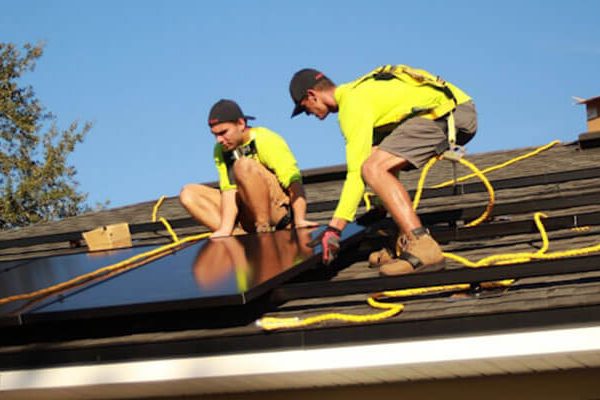
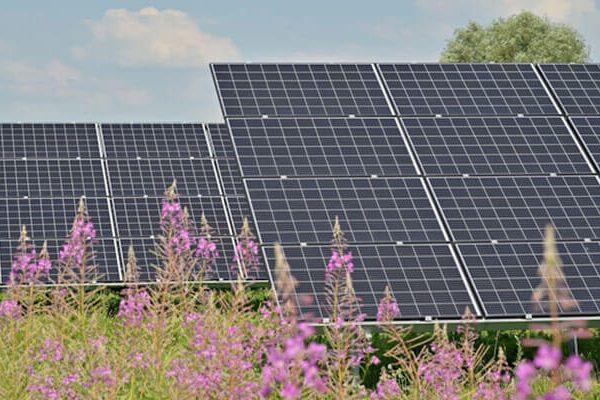

Welcome to New Zealand Solar Centre
Solar genuinely stacks up for a great many New Zealand homes in 2025, but not all of them, and not in the way most sales reps will tell you. A fully installed 5kW system runs roughly $9,000 to $13,000 (about $1.70 to $2.20 per watt) based on current NZ installer pricing, and for a household that uses a decent chunk of its power during daylight, payback typically lands in the 6 to 10 year range against a panel warranty of 25 years or more. The honest truth is that the right system, sized correctly for how your household actually lives, is one of the better long-term investments you can make on a NZ roof. The wrong one, oversold and oversized, is dead money. We exist to make sure you end up with the first kind.
Who we are, and why we're on your side
We are New Zealanders who have spent years inside the solar trade and decided to spend the rest of our working lives on the homeowner's side of the table. We have watched good families pay thousands more than they needed to, sign contracts with warranty clauses that quietly evaporate, and get talked into batteries that will never pay for themselves.
So here's the deal. We make our living connecting you with installers we've actually checked out, not by inflating the price of your system. That alignment matters. When our advice and your wallet point in the same direction, you can trust what we tell you.
Everything we publish runs on four simple commitments. We aim to be warm, like a mate explaining this over a flat white rather than a salesperson reading a script. We aim to be bright, because solar really is good news for a lot of Kiwi homes and we're not here to scare you. We aim to be intelligent, which means every number we give you is real, current, and tied to a New Zealand source you can check yourself. And we aim to be advocating, full stop. When the industry plays a game, we name the game.
The trust problem in NZ solar (and how to beat it)
Here's the thing nobody in the trade likes to say out loud: most homeowners have no way to tell a good quote from a bad one. The panels all look the same on the roof. The brochures all promise the same savings. So people fall back on the only thing they can judge, which is whether they liked the salesperson.
That's the trap. Likeability is not the same as honesty, and the slickest pitch often hides the worst deal. We call the smarter approach using trust proxies: instead of trusting a feeling, you trust a small set of things that are genuinely hard to fake.
- A written, itemised quote that names the exact panel model, inverter model, and quantities, not just "premium tier 1 panels".
- The installer's workmanship warranty in writing, separate from the manufacturer warranty, with a clear number of years.
- A real performance estimate in kilowatt-hours per year, ideally referencing NIWA solar data for your region rather than a national average.
- Membership of the Sustainable Energy Association of New Zealand (SEANZ) and a willingness to follow its code of conduct.
- References from recent local jobs on roofs like yours, not a wall of five-star reviews you can't verify.
When you judge a quote on those, the charm of the pitch stops mattering. That single shift in how you decide is worth more than any discount you'll be offered. If the jargon in a quote trips you up, we keep a plain-English explainer of every term you'll meet over here: The New Zealand Solar Jargon Buster (A-Z Glossary).
What solar actually does for a NZ household
Let's be clear-eyed about the benefits, because they're real but they're specific. Solar generates power during daylight hours. The value you get depends almost entirely on what happens to that power.
Power you use yourself (self-consumption) is the gold. Every kilowatt-hour your panels make that you'd otherwise have bought from the grid saves you the full retail rate, which across most NZ retailers sits somewhere around 28 to 38 cents per kWh in 2025 depending on your plan and region, per published retailer pricing.
Power you export (send back to the grid) earns a buy-back rate, and this is where Kiwis get caught out. Buy-back rates vary enormously between retailers, from around 7 or 8 cents up past 17 cents per kWh, and some headline rates only apply to a capped number of units per day. That gap completely changes your payback maths. We built a live tool to compare current buy-back offers so you're not relying on a number that's six months out of date: The Dynamic Tariff & Buy-Back Engine.
The practical upshot: the best solar households are the ones that shift their usage into the sunshine. Running the dishwasher, the washing machine, and heating the hot water cylinder at midday turns export (worth a little) into self-consumption (worth a lot). A timer and a bit of habit change can lift your real return by a meaningful margin without spending another dollar on hardware.
The savings, honestly
A well-matched 5kW system on a sunny Canterbury or Hawke's Bay roof might generate around 7,000 to 8,000 kWh a year, based on NIWA solar radiation figures for those regions. On a Wellington or Southland roof, expect less, particularly through winter. Nobody can promise you a fixed dollar saving because it depends on your roof, your region, your usage pattern, and your retailer. Anyone who quotes you a precise annual saving without asking how you live is guessing.
What solar will not do, and we'll say this plainly, is zero your power bill. A grid-tied home still pays daily fixed charges and still buys power on dark winter evenings. The honest framing is that solar shrinks your bill substantially and shields you from future price rises, not that it makes power free.
Why New Zealand is its own case entirely
Most of the solar advice online is written for overseas markets, and almost none of it applies here. We have no national rebate scheme, no regulated export rate set by a regulator, and a completely different network structure. Treat overseas numbers as noise.
What actually shapes your outcome in Aotearoa is intensely local:
- Your lines company. Vector (Auckland), Orion (Christchurch and wider Canterbury), Wellington Electricity, Powerco (Taranaki, Bay of Plenty, Wairarapa), Aurora Energy (Dunedin and Central Otago), Unison (Hawke's Bay, Rotorua, Taupo) and others each set their own charges and their own rules for connecting solar. The same system can pencil out differently across a regional boundary.
- Your sun. NIWA data shows real differences in annual solar radiation across the country. The Far North and Nelson sit high; the West Coast genuinely struggles with cloud; Central Otago gets cold, clear winter skies that panels actually love.
- Your retailer. Genesis, Mercury, Contact, Meridian, Octopus Energy NZ, Electric Kiwi, Ecotricity and others compete hard on buy-back and on time-of-use plans, and the right pairing with a solar system can shift your return by years.
This is why a north-facing roof in Invercargill can quietly outperform a west-facing roof in Auckland. Orientation, tilt, and self-consumption habits often matter more than raw sun hours. Generic advice misses all of it.
A regional reality most people miss
Here's something the brochures won't tell you: cold, clear conditions can be excellent for solar generation, because panels are more efficient at lower temperatures. A frosty, bluebird Central Otago winter day can produce surprisingly well, while a muggy Northland summer afternoon costs you a few percent to the heat. It doesn't flip the overall picture (the long summer days still win), but it does mean southern homeowners shouldn't write solar off the way they often do. The numbers reward checking your own region rather than assuming.
The maths that actually decides it
Strip away the sales talk and the whole decision comes down to a handful of levers. Get these right and the rest follows.
1. Your daytime usage pattern
If someone's home during the day, or you can shift big loads (hot water, laundry, EV charging, pool pump) into daylight, solar shines. If the house is empty from 8am to 6pm and everyone showers at night, far more of your generation gets exported at a low buy-back rate, and the maths weakens. This single factor separates two identical houses next door to each other into a great investment and a mediocre one.
2. System size matched to that pattern
Bigger is not better; bigger is just more expensive. A system sized to your genuine daytime demand maximises self-consumption. Oversizing to "future-proof" mostly future-proofs the installer's margin. We're wary of any quote that pushes a large array without first asking how and when you use power.
3. Whether a battery earns its keep
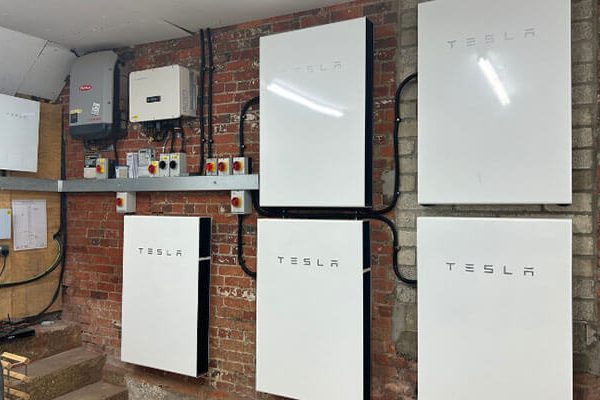
Batteries are the most oversold part of the industry. They can be brilliant for a household with high evening use and a poor buy-back rate, and they can be a $10,000-plus mistake for the house next door. The battery decision is involved enough that it deserves its own proper treatment, and we'd rather you read that before you sign anything than take a blanket yes or no from us.
4. How you pay for it
Paying cash gives the cleanest return. But several main banks now offer low-interest or interest-free green lending for solar and batteries, and if the loan rate is below your effective return, borrowing can make solid sense. It's worth checking what you'd qualify for before assuming you need the full sum up front. We put together a quick way to see where you stand here: The Green Finance Qualifier Tool.
If you'd like to see all of these levers pulled together into a single payback estimate for your own situation, our calculator does exactly that and shows its working rather than hiding it: The Solar System Cost & ROI Calculator.
The quiet industry practices worth knowing about
We've sat on the other side of enough deals to know where the soft spots are. None of this means the industry is crooked; most installers are good people doing honest work. But a few practices recur often enough that you should walk in knowing them.
- The vague panel spec. "Tier 1 panels" is a finance-industry term about manufacturer bankability, not a quality grade. Insist on the exact make and model so you can look up the actual performance and degradation warranty.
- The optimistic generation estimate. Some quotes quietly assume perfect orientation, zero shading, and a sunny region average. Ask whether the estimate accounts for your specific roof pitch, direction, and any shading from trees, chimneys, or the neighbour's two-storey extension.
- The warranty that needs an annual service to stay valid. Read the fine print. A handful of warranties require paid annual inspections, and skipping one can void your cover. That's a real cost that should be in your maths.
- The battery bundled in to fatten the deal. A battery added to make the quote look "complete" can mask a weak payback on the panels alone. Always ask for the system priced both with and without storage.
- The pressure close. "This price is only good today" is a tell. A fair price is a fair price next week too. Good installers are busy and don't need to rush you.
You don't need to become an expert to protect yourself. You just need to ask for things in writing and compare like with like. That's the whole defence.
Who should think twice
We'd be poor advocates if we only ever said yes. Solar isn't right for every home, and here are the situations where we'd tell you to pause.
- Renters. Unless you have a long, secure tenancy and a landlord willing to share the cost and benefit, the payback timeframe rarely works for someone who may move on.
- Heavily shaded roofs. Trees, hills, or neighbouring buildings that shade your roof for much of the day will gut your generation. Panel-level optimisers help a little, but they can't manufacture sun.
- Low daytime occupancy with poor buy-back. An empty house all day plus a stingy export rate is the weakest case for solar without a battery, and the battery often doesn't rescue it.
- Short-term ownership. If you're likely to sell within a couple of years, you may not see the payback, though a well-installed system can add to a home's appeal.
- A roof near the end of its life. Replacing the roof a few years after install means paying to remove and refit the panels. Sort the roof first.
If you're in one of these situations, that doesn't always mean no. It means do the maths carefully and don't let anyone rush you past the awkward questions.
Your practical action plan
If you take nothing else from us, take this order of operations. Working through it in sequence is how you end up with the right system at a fair price.
- Pull a year of power data. Log in to your retailer and look at your usage by month, and if available, by time of day. This tells you how much you use and when, which drives everything else.
- Check your region's solar potential using NIWA's solar resource data, and note your roof's direction and pitch.
- Identify your lines company and current retailer plan, then check what buy-back rates are actually on offer to you.
- Run a rough payback estimate before talking to anyone, so you walk in with your own number rather than relying on a salesperson's.
- Get at least three quotes from installers who'll put the panel model, inverter model, workmanship warranty, and a region-specific generation estimate in writing.
- Compare like with like. Line the quotes up side by side on the same spec. Cheapest is rarely the answer; best value for a properly specified system is.
- Ask about the warranty conditions and the install timeline in writing before you commit.
If finding three trustworthy installers feels like the hard part, that's the bit we handle for you. We've vetted installers across the country and can line up quotes from people who do the job properly. If you'd rather start by seeing who's active in your area, we keep a directory organised by region here: Finding Vetted Solar Installers/.
Frequently Asked Questions
How much does a solar system cost in New Zealand in 2025?
A fully installed 5kW system typically runs $9,000 to $13,000 (around $1.70 to $2.20 per watt), based on current NZ installer pricing. Smaller 3kW systems start lower, and adding a battery commonly adds $8,000 to $15,000 depending on capacity. Price varies with roof complexity, panel and inverter choice, and your region.
What's the payback period on solar in NZ?
For a household with reasonable daytime usage, payback commonly lands in the 6 to 10 year range, against panel warranties of 25 years or more. Homes that export most of their generation at a low buy-back rate sit at the longer end. Your usage pattern and buy-back rate matter more than the system price.
Will solar get rid of my power bill completely?
No, and be wary of anyone who says it will. A grid-tied home still pays daily fixed charges and still buys power after dark, especially through a NZ winter. Solar substantially shrinks your bill and protects you from future price rises rather than eliminating it.
Do I need a battery?
Not necessarily. Batteries make the most sense for homes with high evening usage and a poor export buy-back rate. For many households, a battery extends the payback rather than improving it. Always ask for your system priced both with and without storage so you can see the difference clearly.
Which way should my panels face in New Zealand?
North-facing gives the highest total annual generation. East and west facing produce less overall but spread generation across the morning and afternoon, which can lift self-consumption if that's when you use power. The best orientation depends on when your household actually uses electricity.
Does solar work in the South Island and in winter?
Yes. Panels are actually more efficient in cold conditions, so clear, frosty Central Otago and Canterbury winter days can generate well. Generation does drop overall in winter due to shorter days and lower sun, so solar won't carry your peak winter heating load on its own, but southern homes shouldn't dismiss it.
What buy-back rate will I get for exported power?
It depends entirely on your retailer. Rates across NZ retailers range from around 7 or 8 cents up past 17 cents per kWh in 2025, and some high headline rates apply only to a capped number of units per day. Because these change regularly, check current offers rather than relying on an old figure.
How do I know if an installer is any good?
Look for membership of SEANZ, a written workmanship warranty separate from the manufacturer warranty, exact panel and inverter models named in the quote, a region-specific generation estimate, and references from recent local jobs. Judge the quote, not the charm of the pitch.
Is there government funding for solar in NZ?
There is no national solar rebate or regulated export scheme in New Zealand the way other countries have. However, several main banks offer low-interest or interest-free green lending for solar and battery systems, which can make a real difference to how you pay for it. Check what you'd qualify for before assuming you need the full amount in cash.
Does solar add value to my home?
A well-installed, properly documented system can add to a home's appeal and may support its value, particularly as buyers grow more energy-conscious. Keep your install paperwork, warranties, and generation data handy, as these reassure a future buyer that the system was done properly.
How long does installation take?
The physical install of a typical residential system usually takes one to two days. The longer part is often the lead time to book the installer and the process of getting your system approved and meter configured by your lines company and retailer, which can take a few weeks.
What's the one thing I should check before signing?
Read the warranty conditions in full, and confirm the exact panel and inverter models match what you were promised. Then compare at least three quotes on identical specifications. Those two habits prevent the most common and most expensive mistakes.
The bottom line
Solar is one of the better long-term moves a great many New Zealand homes can make, but only when the system is matched honestly to how your household actually lives. The difference between a smart investment and dead money isn't the brand of panel; it's whether the maths was done properly and the quote was read carefully.
That's the whole reason we're here. We'll give you the real numbers, name the games when they're played, and stand on your side of the table from the first question to the final sign-off. Start by getting a sense of your own payback with our calculator at The Solar System Cost & ROI Calculator/, and when you're ready for real prices, we'll bring you three quotes from people we trust. Kaitiakitanga and a smaller power bill can absolutely go together, and you deserve to do it with your eyes open.
Where to go from here
If you'd like a single, ordered way to act on all of this, start with your own power data, then your region's sun, then your buy-back rate, and only then talk to installers. Walk in with your own payback number rather than a salesperson's.
When you're ready, work through the steps in the action plan above, run the figures through our calculator at The Solar System Cost & ROI Calculator, and let us line up three vetted quotes so you can compare like with like. Take your time, ask for everything in writing, and don't let anyone rush you. A good system on the right roof rewards patience.